



HTM 05-01 update: what the new NHS fire safety guidance means for estates teams
In February 2026, NHS England published a new edition of HTM 05-01, the guidance that sets out how fire safety should be managed across the healthcare estate. It remains the current edition, and six months on it is the standard your fire safety arrangements are now measured against.
If you run buildings for a trust, this HTM 05-01 update matters, because it changes who is responsible, brings the Building Safety Act 2022 firmly into the picture, and expects fire safety to be led by competent people rather than a maintenance calendar. This guide explains what has changed, what it means for facilities and operational managers, and the practical steps worth taking now.
What HTM 05-01 is, and where it sits
Fire safety across the NHS estate is governed by a family of documents called Firecode. HTM 05-01 is the one about management: how a healthcare organisation sets up and runs its fire safety system, assigns roles, and shows it is meeting the law.
It sits alongside two companions.
- HTM 05-02 covers fire safety in the design of new healthcare premises.
- HTM 05-03 covers operational provisions, the practical fire precautions in a working building, and includes the fire risk assessment guidance in Part K.
Think of HTM 05-01 as the management layer above the physical measures. The alarms, the compartmentation and the fire doors matter enormously, but this document is about the people, the decisions and the paper trail that keep them working.
What has changed in the HTM 05-01 update
Three shifts stand out.
1. The Building Safety Act is now a third legal pillar
For years, healthcare fire safety rested on two legal foundations: the Building Regulations 2010 and the Regulatory Reform (Fire Safety) Order 2005, which names a "Responsible Person" for every non-domestic building. The updated HTM 05-01 adds a third pillar, the Building Safety Act 2022.
For higher-risk buildings, this introduces new statutory duty holders. Trusts may need to appoint an Accountable Person, and a Principal Accountable Person where a building has more than one, to manage safety risks while the building is occupied. It also brings in the "golden thread": accurate, current safety information about a building, from design through refurbishment to day-to-day operation. In practice, that raises the bar on record keeping, and on how estates, capital projects and fire safety talk to each other.
2. The fire safety roles have been redrawn
The update clarifies who does what, and matches each job to the right level of competence.
The old Authorising Engineer (Fire) role has been split in two. An Independent Expert Advisor (Authorising Engineer) audits the fire safety management system. A specialist Fire Engineer provides deep technical input where a project genuinely needs it, such as a complex fire strategy or a new build. The logic is simple. Auditing how you manage fire safety is a different skill from engineering a fire strategy, so the guidance stops treating them as one.
Below that, the Authorised Person (Fire), also known as the Fire Safety Advisor, now has four clear designations: fire risk assessment, fire training, fire projects, and fire safety maintenance. Larger trusts may also name a Senior Fire Safety Advisor to lead the team. The point of all this is accountability. When roles are named and competence is defined, it is far clearer who owns a gap when one appears.
3. Fire risk assessment becomes primary and secondary
Reading across from HTM 05-03 Part K, fire risk assessment in a hospital is now framed at two levels. A Primary Fire Risk Assessment looks at building-wide elements: compartmentation, the fire alarm system, escape routes and common areas. A Secondary Fire Risk Assessment looks at individual wards and departments, and sits with local managers who know how that space is actually used.
This is a sensible reflection of how a hospital works. A ward manager understands the day-to-day reality of their area in a way a building-wide assessment never could, and the two levels together give a fuller picture than either alone.
There is also a governance change worth noting. The Department of Health fire safety policy that used to sit in the main body of the guidance has moved to an appendix, and oversight now sits with NHS England rather than the Department of Health.
What this means for facilities and operational managers
If you manage NHS buildings or the services inside them, a few things follow.
You will need to know whether any of your premises meet the higher-risk threshold under the Building Safety Act, and if so, who holds the Accountable Person duties. You will need your fire safety roles mapped against the new structure, with evidence that the people in them are competent. And you will need your fire risk assessments organised as primary and secondary, with ward and department managers clear that the safety of their own space is part of their job, not just the estates team's.
The aim is not more paperwork for its own sake. It is to show, quickly and credibly, that fire safety in your buildings is understood, owned and kept up. That is what a modern regulator, and a coroner, will expect.
A practical readiness checklist
A useful starting point over the next quarter:
- Confirm which of your buildings, if any, are higher-risk under the Building Safety Act, and record who holds Accountable Person and Principal Accountable Person duties.
- Map your current fire safety roles against the updated HTM 05-01 structure and identify any gaps in role or competence.
- Check your fire risk assessment programme covers both primary (building-wide) and secondary (ward and department) levels, and that both are in date.
- Review your fire safety information against the golden thread standard: is it accurate, current, and handed over properly after works?
- Bring estates, capital projects and clinical operational leads together so refurbishment and maintenance keep the fire strategy intact rather than quietly undermining it.
Where a delivery partner fits
Most trusts will meet these expectations through a mix of in-house teams and external partners, and the update makes the division of labour clearer rather than harder.
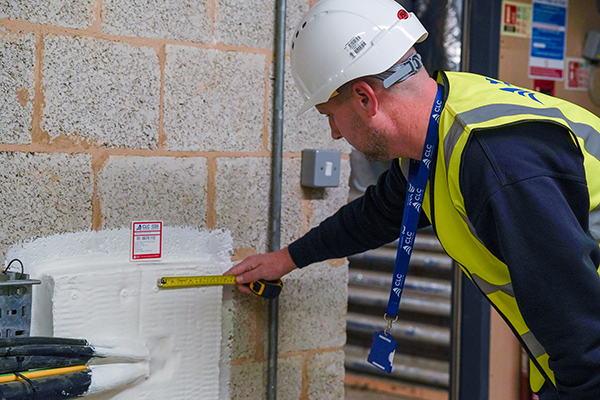
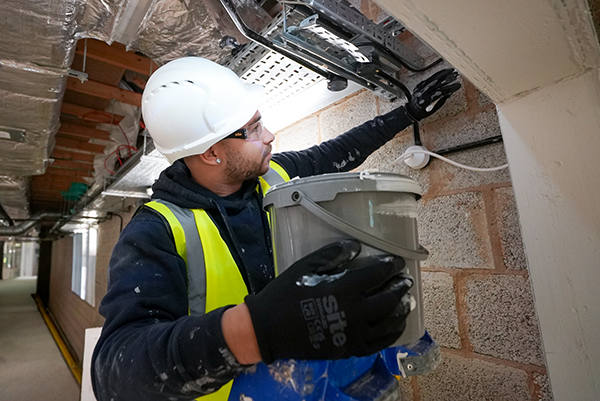
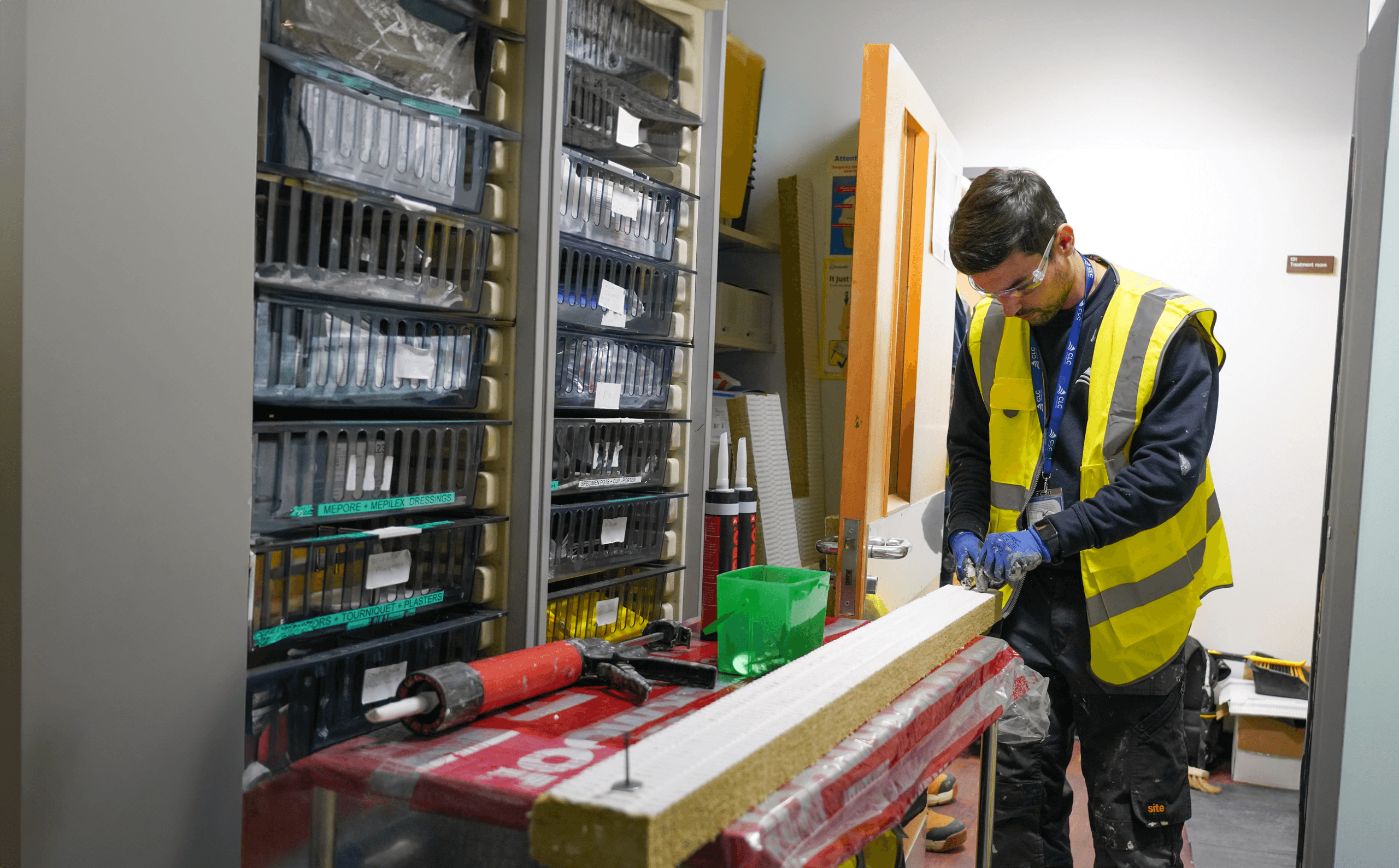
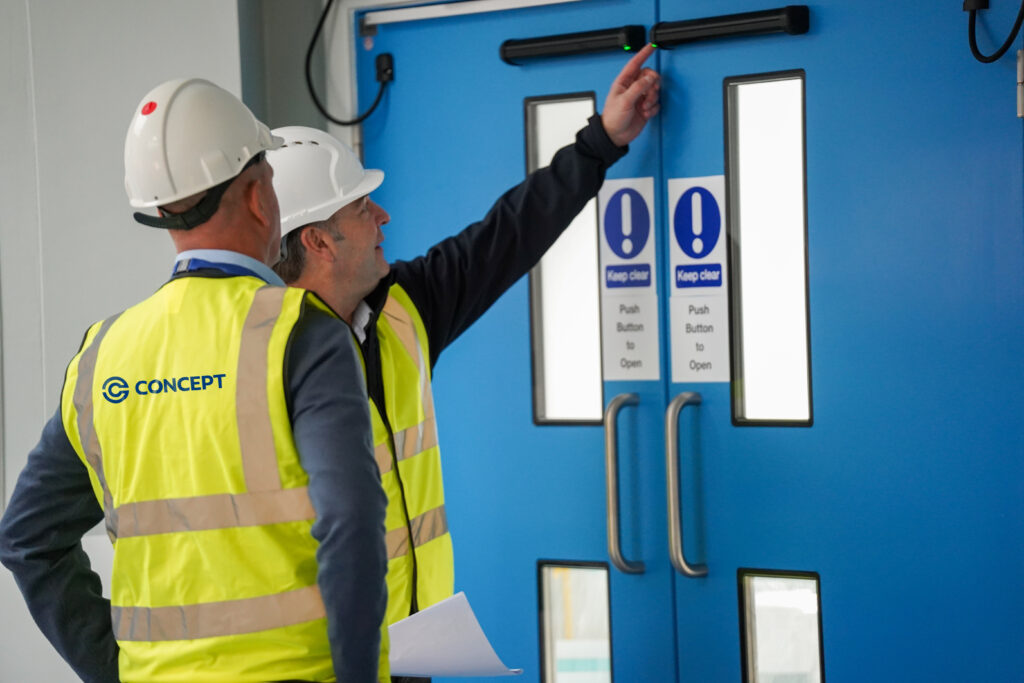
The physical side splits into two. Passive fire protection is the built-in stuff that contains a fire and buys time: compartmentation, fire doors, fire stopping and cavity barriers. Active fire protection is the systems that detect and fight it: fire alarms and detection, emergency lighting, sprinklers and suppression. Both need competent installation, inspection and maintenance, and both feed the evidence trail the new guidance expects.
This is the kind of work Axis CLC delivers across the healthcare estate, either as standalone fire safety services or built into a wider planned maintenance and compliance programme. That covers fire risk assessment, passive and active fire protection, and the remedial works that follow, with the records to match. Where it helps a trust to procure through an established route, Axis CLC holds positions on the main NHS frameworks (inc Shared Business Services). The aim is straightforward: help estates and operational teams show their buildings are safe and compliant, without carrying the whole load themselves.
Sources:
NHS England, Health Technical Memorandum 05-01: Managing Healthcare Fire Safety (updated edition, published February 2026). Primary source. NHS England HTM 05-01 page
NHS England, HTM 05-03: Firecode, Fire Safety in the NHS, Operational Provisions (including Part K fire risk assessment). Primary source. NHS England HTM 05-03 page
Fire Industry Association, "NHS England Updates HTM 05-01: Managing Healthcare Fire Safety", 23 February 2026. Wider industry summary. FIA article
..
If you're interested and would like to speak to our team about how we could help, request a meeting and we'll connect you with the right person.